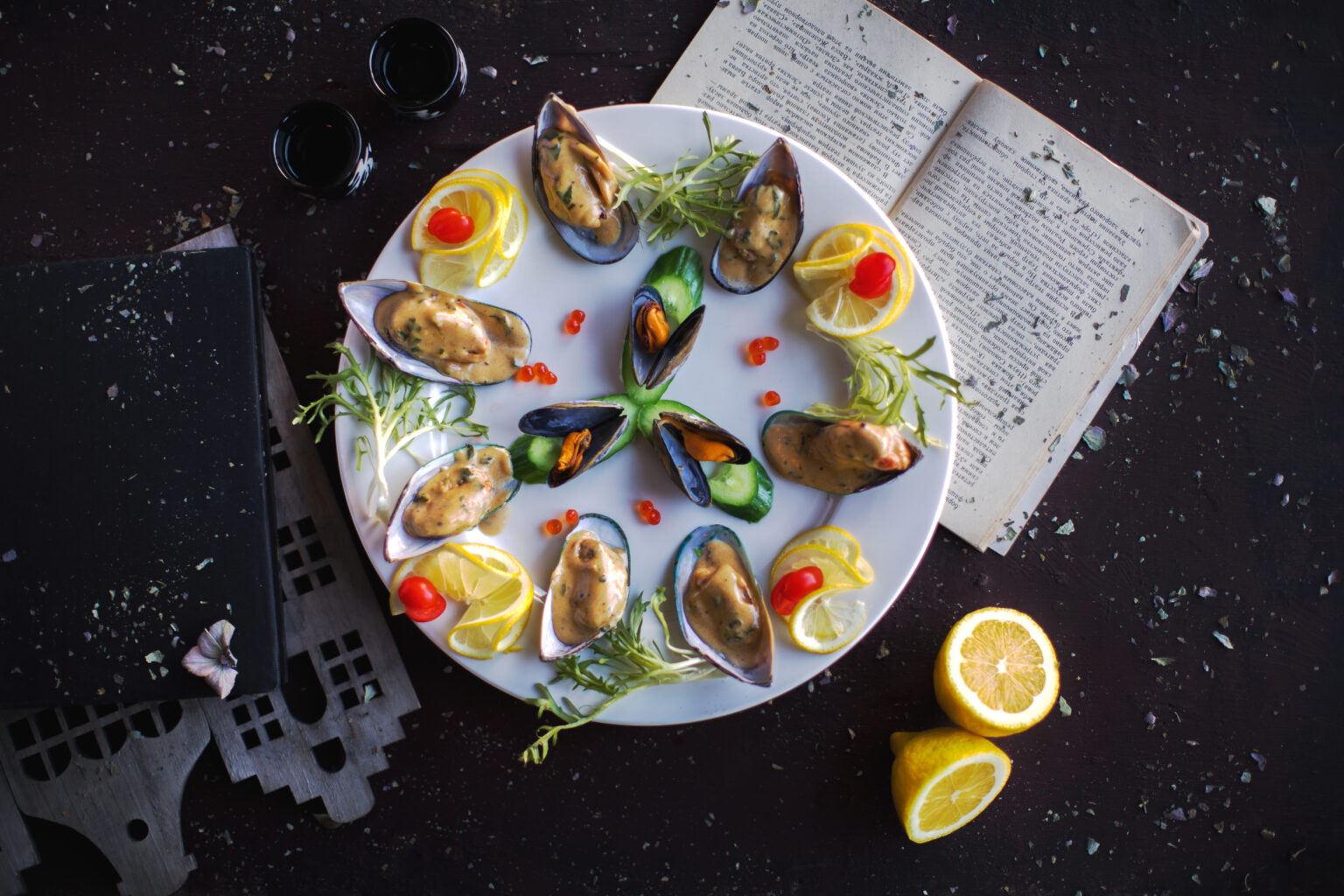
Coastal seafood has long been celebrated as one of the freshest, healthiest, and most flavorful food sources in the world. From the salty shores of the Atlantic to the warm waters of the Pacific, coastal regions provide an incredible variety of fish, shellfish, and crustaceans that shape local cuisines and global dining trends. Whether grilled on a beach barbecue, served in a fine dining restaurant, or cooked in a traditional family kitchen, coastal seafood carries a taste of the sea that is both distinctive and unforgettable.
In this article, we’ll explore what makes coastal seafood so special, its health benefits, popular types, cooking methods, and why it continues to be a favorite across cultures.
What is Coastal Seafood?
Coastal seafood refers to all edible marine life harvested from oceans near coastlines. These include fish, mollusks, and crustaceans that live in shallow, nutrient-rich waters. Because coastal areas are closer to human settlements, seafood from these regions is usually fresher compared to deep-sea or imported varieties.
Common coastal seafood includes:
- Fish: snapper, cod, mackerel, sardines, salmon (in some coastal zones)
- Shellfish: oysters, mussels, clams, scallops
- Crustaceans: crabs, lobsters, prawns, shrimp
The diversity of coastal seafood varies depending on geography, water temperature, and local ecosystems.
Why Coastal Seafood is So Popular
1. Freshness and Flavor
One of the biggest advantages of coastal seafood is freshness. Since it is harvested close to shore, it often reaches markets within hours. This freshness enhances natural flavors, giving seafood a sweet, briny, and clean taste.
2. Nutritional Value
Coastal seafood is packed with essential nutrients such as:
- Omega-3 fatty acids
- High-quality protein
- Vitamin D
- Vitamin B12
- Minerals like zinc, iodine, and selenium
These nutrients support heart health, brain function, and overall well-being.
3. Cultural Importance
In many coastal communities, seafood is not just food—it’s a tradition. Countries like Japan, Italy, Spain, Thailand, and Pakistan’s coastal regions rely heavily on seafood in daily diets and cultural dishes.
Health Benefits of Coastal Seafood
Eating coastal seafood regularly can provide numerous health benefits:
Supports Heart Health
Omega-3 fatty acids help reduce bad cholesterol levels and lower the risk of heart disease.
Improves Brain Function
Fish rich in healthy fats support memory, focus, and cognitive performance.
Boosts Immunity
Seafood contains essential minerals like zinc and selenium that strengthen the immune system.
Aids Weight Management
Seafood is generally low in calories and high in protein, making it ideal for balanced diets.
Promotes Healthy Skin
Omega-3 and antioxidants help maintain skin elasticity and hydration.
Popular Types of Coastal Seafood Dishes
Coastal seafood is prepared in countless delicious ways around the world. Some popular dishes include:
Grilled Fish
Fresh fish seasoned with herbs, lemon, and spices, then grilled over charcoal for a smoky flavor.
Seafood Curry
A rich and spicy dish made with coconut milk, tomatoes, and mixed seafood such as shrimp, crab, and fish.
Fried Calamari
Crispy squid rings served with dipping sauces, popular in Mediterranean cuisine.
Seafood Paella
A Spanish rice dish loaded with prawns, mussels, clams, and saffron seasoning.
Seafood Soup
Light or creamy soups made with fish stock, vegetables, and shellfish.
Cooking Methods for Coastal Seafood
Proper cooking techniques enhance the natural taste of seafood while preserving its nutrients.
Grilling
Perfect for fish and prawns, grilling adds a smoky aroma and keeps the meat tender.
Steaming
A healthy method that retains nutrients and natural moisture.
Frying
Common for fish fillets and shellfish, offering a crispy texture.
Baking
Ideal for whole fish with herbs, butter, and lemon.
Boiling
Used for soups, stews, and seafood broths.
Coastal Seafood Around the World
Asia
Countries like Japan and Thailand are known for sushi, sashimi, and spicy seafood curries.
Europe
Mediterranean regions enjoy olive oil-based seafood dishes, grilled fish, and paella.
North America
Seafood chowders, lobster rolls, and fried fish are popular.
South Asia
Coastal areas of Pakistan and India feature spicy fish curries, fried prawns, and masala crab.
Sustainability and Coastal Fishing
With growing demand, sustainable fishing has become important. Overfishing can damage marine ecosystems, so many coastal regions now follow eco-friendly practices such as:
- Seasonal fishing restrictions
- Protected marine areas
- Responsible fishing gear usage
- Aquaculture (fish farming)
Sustainable seafood ensures that future generations can continue enjoying ocean resources.
Tips for Choosing Fresh Coastal Seafood

When buying seafood, freshness is key. Look for:
- Clear, bright eyes in fish
- Fresh ocean smell (not strong fishy odor)
- Firm texture
- Shiny, moist skin or shells
- No discoloration
Buying from trusted local fish markets often ensures better quality.
Conclusion
Coastal seafood is more than just a dietary choice—it’s a lifestyle shaped by geography, tradition, and nutrition. Its rich flavors, health benefits, and cultural significance make it one of the most valued food sources worldwide. Whether enjoyed in a simple grilled form or an elaborate gourmet dish, coastal seafood continues to bring the essence of the ocean straight to our plates.
As awareness of healthy eating grows, coastal seafood remains a timeless and essential part of global cuisine.
FAQs
Coastal seafood refers to fish, shellfish, and crustaceans caught near ocean shorelines.
Yes, it is rich in omega-3 fatty acids, protein, vitamins, and essential minerals.
Popular dishes include grilled fish, seafood curry, paella, and fried calamari.