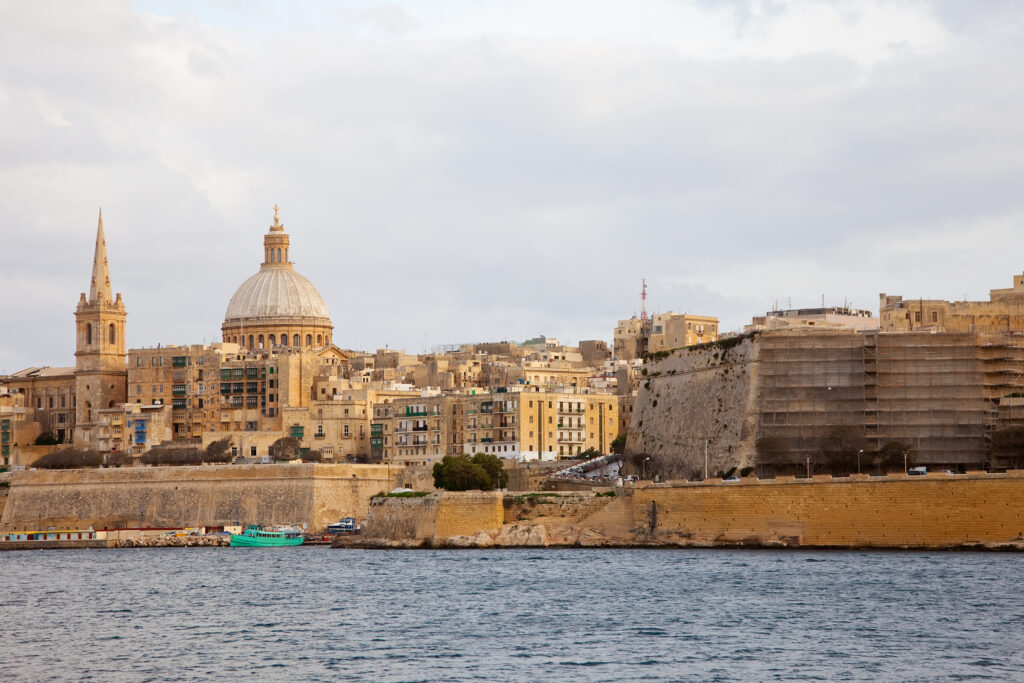
When people ask about the capital of Malta, the answer is Valletta. Despite being one of Europe’s smallest capitals, Valletta is a city rich in history, culture, architecture, and charm. Located on the northeastern coast of Malta, this UNESCO World Heritage city serves as the country’s political, cultural, and economic center.
Founded in the 16th century by the Knights of St. John, Valletta is often described as an open-air museum. Its stunning baroque architecture, historic fortifications, beautiful harbors, and vibrant atmosphere make it one of the Mediterranean’s most fascinating destinations. Whether you’re interested in history, art, food, or scenic views, Valletta offers a unique experience that captures the essence of Malta.
Where Is Valletta Located?
Valletta is situated on a peninsula between two natural harbors—Grand Harbour and Marsamxett Harbour. Its strategic location made it an important military and trading center throughout history.
Although Valletta covers less than one square kilometer, it remains one of the most densely packed historic cities in Europe. The city overlooks the Mediterranean Sea and provides easy access to many of Malta’s most popular attractions.
Its central location makes it an ideal starting point for exploring the rest of the Maltese Islands.
History of Valletta
Valletta’s story begins after the Great Siege of Malta in 1565. During this conflict, the Knights of St. John successfully defended Malta against the Ottoman Empire.
Following their victory, Grand Master Jean Parisot de Valette decided to build a fortified city that would strengthen Malta’s defenses. Construction began in 1566, and the city was named Valletta in his honor.
The city quickly became a center of military power, religion, and commerce. Over the centuries, Valletta witnessed numerous historical events, including periods of French and British rule.
Malta gained independence from Britain in 1964, and Valletta continued to serve as the nation’s capital, preserving its historical significance while embracing modern development.
UNESCO World Heritage Status
In 1980, Valletta was designated a UNESCO World Heritage Site because of its exceptional historical and architectural importance.
The city contains hundreds of monuments, churches, palaces, and fortifications that showcase centuries of European history. UNESCO recognized Valletta as one of the most concentrated historic areas in the world.
Walking through the city’s streets feels like stepping back in time, with historic buildings lining nearly every corner.
Architectural Beauty
One of Valletta’s greatest attractions is its remarkable architecture. The city is famous for its baroque design, narrow streets, and elegant limestone buildings.
Visitors are often captivated by:
- Ornate balconies
- Grand churches
- Historic palaces
- Massive fortification walls
- Beautiful public squares
The city’s golden limestone structures glow beautifully in the Mediterranean sunlight, creating a picturesque setting that attracts photographers and travelers alike.
Many buildings date back several centuries and remain remarkably well preserved.
Top Attractions in Valletta
St. John’s Co-Cathedral
One of the most famous landmarks in Malta is St. John’s Co-Cathedral. While its exterior appears relatively simple, the interior is richly decorated with gold leaf, marble, and intricate artwork.
The cathedral also houses masterpieces by renowned artist Caravaggio, making it a must-visit destination for art lovers.
Upper Barrakka Gardens
The Upper Barrakka Gardens offer some of the best panoramic views in Malta. From this elevated location, visitors can overlook the Grand Harbour and the historic Three Cities.
The gardens provide a peaceful escape from the bustling city streets and are particularly popular at sunset.
Grand Master’s Palace
This historic palace once served as the residence of the Knights of St. John. Today, it remains an important governmental building and showcases Malta’s rich political history.
Visitors can admire elegant halls, historical artifacts, and impressive architecture.
National Museum of Archaeology
Malta has a history stretching back thousands of years, and the National Museum of Archaeology highlights this fascinating past.
The museum displays artifacts from Malta’s prehistoric temples, some of which are among the oldest free-standing structures in the world.
Cultural Importance
Valletta is more than just a historical destination. It is also Malta’s cultural capital.
Throughout the year, the city hosts:
- Music festivals
- Art exhibitions
- Theater performances
- Religious celebrations
- Cultural events
In 2018, Valletta was named a European Capital of Culture, further highlighting its importance as a center for creativity and artistic expression.
The city’s cultural scene continues to attract visitors from around the world.
Food and Dining in Valletta
Food plays a major role in Maltese culture, and Valletta offers numerous opportunities to enjoy traditional cuisine.
Popular local dishes include:
- Pastizzi (savory pastries)
- Rabbit stew
- Seafood specialties
- Maltese bread
- Lampuki fish dishes
The city’s restaurants range from traditional family-owned establishments to modern fine-dining venues overlooking the harbor.
Fresh Mediterranean ingredients and local flavors make dining in Valletta a memorable experience.
Economy and Government
As Malta’s capital city, Valletta serves as the country’s administrative and political center.
Key government institutions, ministries, and offices are located here. The city also plays an important role in Malta’s economy, particularly through tourism, financial services, and international business.
Although Valletta’s residential population is relatively small compared to larger European capitals, thousands of people commute into the city daily for work and business.
Why Tourists Love Valletta
Valletta consistently ranks among the Mediterranean’s top travel destinations. Visitors appreciate its combination of history, culture, and modern conveniences.
Reasons travelers love Valletta include:
- Rich historical heritage
- Stunning architecture
- Walkable city center
- Beautiful sea views
- Excellent dining options
- Friendly atmosphere
- Easy access to other parts of Malta
Because the city is compact, tourists can explore many attractions on foot within a single day.
Best Time to Visit Valletta
Valletta enjoys a Mediterranean climate with warm summers and mild winters.
The most popular months to visit are April through June and September through November when temperatures are comfortable and crowds are smaller.
Summer offers excellent weather for sightseeing and coastal activities, though it can become quite hot during peak tourist season.
Winter remains relatively mild compared to much of Europe, making Valletta an attractive year-round destination.
Conclusion
Valletta, the capital of Malta, is a remarkable city that combines centuries of history with modern Mediterranean charm. From its UNESCO-listed architecture and impressive fortifications to its thriving cultural scene and stunning harbor views, Valletta offers something for every traveler.
Despite its small size, the city has played a major role in European history and continues to serve as the heart of Malta. Whether you’re exploring ancient landmarks, enjoying local cuisine, or simply wandering through its picturesque streets, Valletta provides an unforgettable experience.
For anyone planning a trip to Malta, visiting Valletta is essential. Its unique blend of heritage, beauty, and culture makes it one of the most captivating capitals in Europe.
FAQs
1. What is the capital of Malta?
Valletta is the capital city of Malta and serves as the country’s political, cultural, and economic center.
2. Why is Valletta famous?
Valletta is famous for its UNESCO World Heritage status, baroque architecture, historic fortifications, and rich cultural heritage.
3. When was Valletta founded?
Valletta was founded in 1566 by the Knights of St. John following the Great Siege of Malta.