Mount Kilimanjaro is one of the most iconic mountains in the world and the highest peak in Africa. Standing at 5,895 meters (19,341 feet), it attracts thousands of climbers every year who dream of reaching its famous summit, Uhuru Peak. Before climbers make their final push to the top, they usually spend time at a Kilimanjaro base camp, an essential stop for rest, acclimatization, and preparation.
Understanding the role of Kilimanjaro base camp can help climbers prepare for a successful and safe ascent. In this guide, we’ll explore what Kilimanjaro base camp is, where it is located, what to expect during your stay, and how to prepare for one of the world’s most memorable trekking experiences.
What Is Kilimanjaro Base Camp?
Unlike some mountains that have a single permanent base camp, Mount Kilimanjaro has several camps along its different climbing routes. However, when climbers refer to “Kilimanjaro Base Camp,” they are often talking about the final high-altitude camp before the summit attempt.
The exact base camp depends on the route you choose. Popular summit camps include:
- Barafu Camp (Machame and Lemosho Routes)
- Kibo Hut Camp (Marangu Route)
- Kosovo Camp
- School Hut Camp
- Crater Camp
These camps serve as staging areas where climbers rest before beginning their summit ascent, usually around midnight.
Where Is Kilimanjaro Located?
Mount Kilimanjaro is located in northeastern Tanzania near the border with Kenya.
Mount Kilimanjaro is part of the protected Kilimanjaro National Park and is recognized as one of the world’s most famous trekking destinations.
The mountain consists of three volcanic cones:
- Kibo
- Mawenzi
- Shira
Uhuru Peak sits on Kibo and represents the highest point in Africa.
Why Is Kilimanjaro Base Camp Important?
Base camp plays a critical role in the climbing experience.
Acclimatization
As climbers gain elevation, oxygen levels decrease significantly. Spending time at base camp helps the body adapt to higher altitudes before the final summit push.
Rest and Recovery
Most climbers arrive at base camp during the afternoon and spend several hours resting before beginning their nighttime ascent.
Equipment Check
Base camp provides an opportunity to:
- Test headlamps
- Organize clothing layers
- Refill water bottles
- Prepare trekking poles
- Eat a final meal
Proper preparation at base camp often contributes significantly to summit success.
Barafu Camp: The Most Common Kilimanjaro Base Camp
Barafu Camp is the most frequently used summit camp on Kilimanjaro.
Located at approximately 4,673 meters (15,331 feet), Barafu Camp serves climbers using the Machame, Lemosho, Umbwe, and Southern Circuit routes.
What Climbers Say About Barafu Camp
Visitors often describe Barafu Camp as:
- Windy
- Rocky
- Cold
- Exciting
Although the camp is not particularly scenic compared to lower camps, it marks the final major stop before reaching Africa’s highest point.
Most climbers arrive in the afternoon, eat an early dinner, sleep briefly, and begin climbing around midnight.
Kibo Hut Camp
Kibo Hut is the summit camp used by climbers following the Marangu Route.
Located at approximately 4,700 meters (15,420 feet), Kibo Hut offers dormitory-style accommodations rather than tents.
Advantages include:
- More shelter from weather
- Simple sleeping arrangements
- Easier logistics for some travelers
Many climbers appreciate having a solid structure instead of sleeping in tents at high altitude.
Conditions at Kilimanjaro Base Camp
Climbers should expect challenging environmental conditions.
Cold Temperatures
Nighttime temperatures often fall below freezing.
Temperatures may range from:
- -10°C to 5°C (14°F to 41°F)
Proper winter clothing is essential.
Thin Air
At nearly 5,000 meters, oxygen levels are significantly lower than at sea level.
Common symptoms include:
- Headaches
- Fatigue
- Shortness of breath
- Difficulty sleeping
These effects are normal and often improve with proper acclimatization.
Strong Winds
High-altitude camps frequently experience strong winds, especially during summit season.
Windproof clothing and secure tents are important.
A Typical Day at Kilimanjaro Base Camp
The schedule at base camp follows a predictable pattern.
Afternoon Arrival
Climbers usually arrive between noon and 3 PM.
Upon arrival:
- Tents are assigned
- Equipment is organized
- Medical checks may be conducted
Early Dinner
A warm meal is served before the summit attempt.
Popular foods include:
- Soup
- Rice
- Pasta
- Vegetables
- Tea
Rest Period
Climbers try to sleep for several hours, though excitement and altitude often make sleep difficult.
Midnight Summit Push
Most groups wake between 11 PM and midnight.
The summit climb begins under darkness to allow climbers to reach Uhuru Peak around sunrise.
What to Pack for Kilimanjaro Base Camp
Packing correctly can make a major difference in comfort and safety.
Essential items include:
Warm Clothing
Bring:
- Down jacket
- Thermal layers
- Fleece jacket
- Insulated gloves
- Warm hat
Headlamp
A reliable headlamp is mandatory for summit night.
Carry extra batteries as backup.
Sleeping Bag
Most operators recommend a sleeping bag rated for sub-zero temperatures.
Water Bottles
Hydration is crucial for acclimatization and overall performance.
Snacks
Energy bars and lightweight snacks provide extra fuel during the summit attempt.
Summit Success Rates
Your chances of reaching Uhuru Peak depend heavily on preparation and route selection.
Factors affecting success include:
- Acclimatization time
- Physical fitness
- Weather conditions
- Route length
- Experience level
Longer routes generally produce higher summit success rates because they allow more time for altitude adjustment.
Many experienced guides recommend routes lasting seven to nine days.
Best Time to Visit Kilimanjaro
The most popular climbing seasons are:
January to March
Benefits include:
- Cooler temperatures
- Fewer crowds
- Clear mountain views
June to October
This period offers:
- Dry weather
- Stable conditions
- Peak trekking season
These months generally provide the best opportunities for successful climbs.
Challenges Climbers Face
Even experienced hikers can struggle on Kilimanjaro.
Common challenges include:
Altitude Sickness
This is the biggest obstacle for many climbers.
Symptoms may include:
- Nausea
- Headache
- Dizziness
Fatigue
Summit night is physically demanding because climbers hike for many hours in darkness and freezing temperatures.
Mental Toughness
The final ascent often requires determination and patience.
Many climbers consider the summit push the most challenging part of the entire journey.
Is Kilimanjaro Base Camp Worth It?
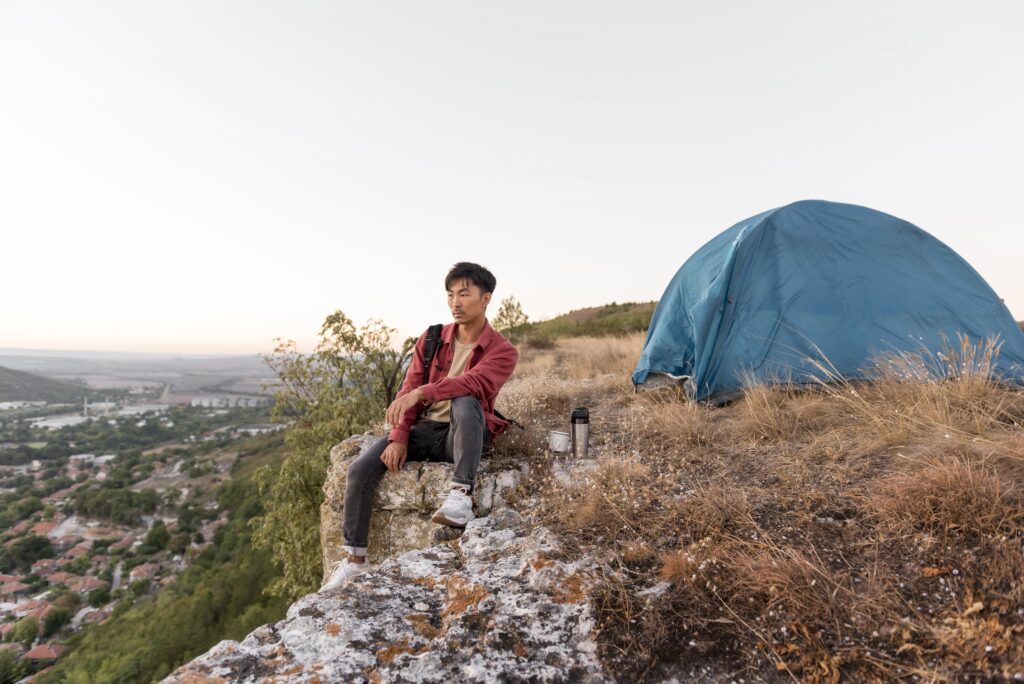
Absolutely. While conditions can be cold and uncomfortable, base camp represents one of the most exciting stages of the Kilimanjaro experience. It serves as the gateway to Africa’s highest summit and provides climbers with their final opportunity to prepare for the adventure ahead.
For many trekkers, the anticipation, camaraderie, and breathtaking mountain scenery create unforgettable memories long before they reach Uhuru Peak.
Final Thoughts
Kilimanjaro base camp is far more than just a place to sleep. It is the launching point for one of the world’s greatest trekking achievements. Whether you’re staying at Barafu Camp, Kibo Hut, or another summit camp, proper preparation, acclimatization, and determination are essential for success.
With the right mindset and planning, your time at Kilimanjaro base camp can become one of the most memorable parts of your journey to the Roof of Africa.
FAQs
Kilimanjaro Base Camp generally refers to the final camp where climbers rest before making their summit attempt on Mount Kilimanjaro. The exact camp varies depending on the route being used.
Barafu Camp is the most commonly used summit base camp for climbers on the Machame, Lemosho, and Umbwe routes. It serves as the starting point for the final ascent to Uhuru Peak.
Most summit camps are located between 4,600 and 4,800 meters (15,000–15,700 feet) above sea level, depending on the route.