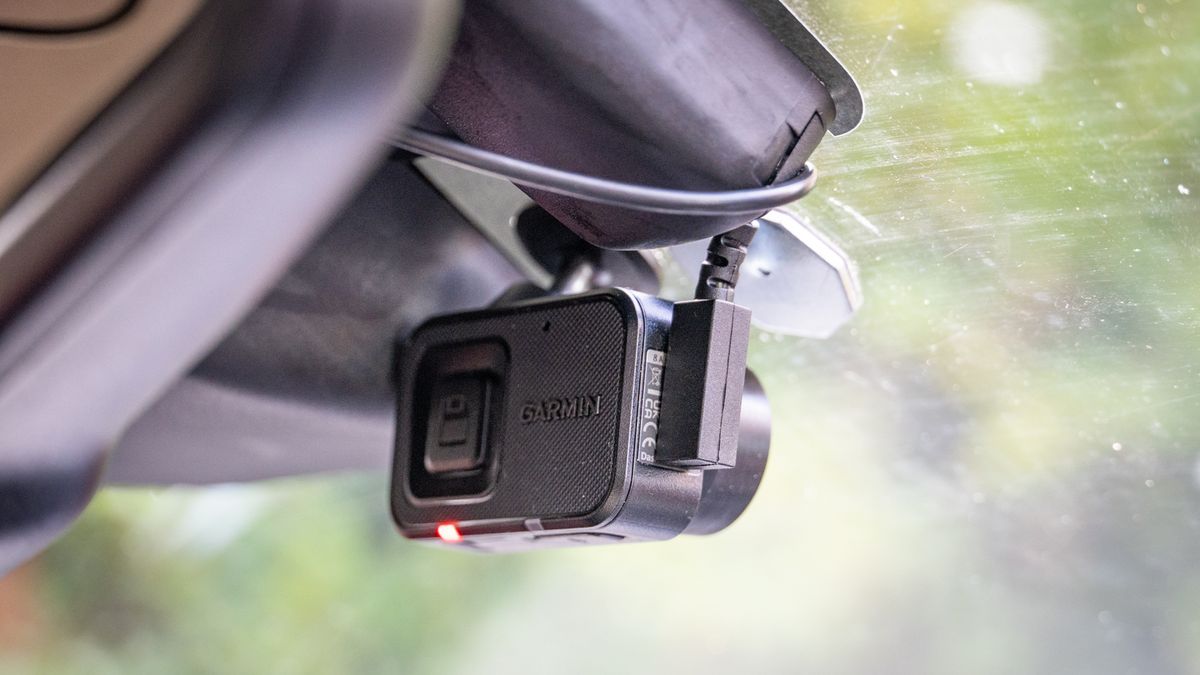
Road safety has become deeply personal for many of us. Every commute carries small uncertainties: a sudden lane change, a distracted driver, a missed traffic signal, a split-second event that can change everything. That is exactly why interest in modern vehicle recording technology has surged. What was once a simple windshield-mounted recorder has evolved into something far more intelligent, connected, and protective. Today, when you evaluate a dash cam, you are no longer just choosing a camera. You are choosing a digital witness, a safety companion, and in some cases, a tool that may help protect your finances and peace of mind.
This shift matters. New features are arriving fast, and not all of them offer equal value. Some innovations truly improve safety, usability, and evidence quality. Others simply sound impressive on a product box. So if you are trying to make sense of what is genuinely useful, this guide will help you sort signal from noise.
Why the Modern dash cam Matters More Than Ever
A decade ago, most recording devices for cars were basic. They captured forward-facing footage, stored it on a memory card, and that was about it. Now, manufacturers are racing to saturate the market with smarter tools: AI-assisted alerts, cloud storage, voice controls, GPS overlays, parking surveillance, and ultra-high-resolution sensors.
That word, saturate, brings to mind a small memory. A neighborhood electronics shop once stuffed every shelf with new automotive gadgets before the holiday season. The displays were so dense with blinking boxes and feature cards that you could barely focus on one item. It was a perfect reminder that when choices saturate a space, clarity becomes more valuable than abundance. The same applies here. More features do not always mean better protection.
At its best, a well-designed dash cam gives you reliable footage in daylight, at night, in rain, and during sudden motion. It can help establish fault after an accident, discourage fraudulent claims, and even monitor your vehicle when parked. These practical benefits are why innovation in this category deserves serious attention.
dash camera Resolution, Night Vision, and Image Intelligence
Video quality remains one of the most important areas of improvement. Crisp footage is not just about visual appeal. It can determine whether a license plate is readable, whether a road sign is visible, or whether an insurance dispute swings in your favor.
Many newer models now offer 2K, 4K, and dual-channel recording. This means you can capture both the road ahead and activity behind the vehicle with much greater detail. But resolution alone is not enough. Sensor quality, dynamic range, and lens performance matter just as much. A lower-resolution unit with a better sensor may outperform a higher-resolution one under poor lighting.
Night vision has also advanced significantly. Improved low-light sensors and software processing now help reduce grain and glare from headlights. This is especially useful because many serious incidents happen after dark, when visibility becomes unreliable and human memory is even less dependable.
Some systems also include image intelligence features that detect collisions, sudden braking, or lane drift. These tools can be valuable, but they should support your driving, not distract from it. The best systems feel subtle and calm rather than noisy and overbearing.
Connected Features and the Rise of Smart Protection
One of the biggest leaps in this market is connectivity. Wi-Fi and app integration allow you to review footage instantly on your phone instead of removing a memory card and sorting through clips later. That convenience can save time and stress, especially after a crash.
Cloud support is another noteworthy innovation. Some devices automatically upload critical footage when an incident occurs. If a recorder is damaged or stolen, your evidence may still be preserved remotely. That is a meaningful advancement, especially for drivers who park in exposed areas or travel frequently.
Parking mode has become far smarter as well. Instead of recording continuously and draining power, many newer systems activate when motion or impact is detected. This adds a valuable layer of security without creating endless unusable footage.
There is also an emotional dimension here. Technology can fail us, and that truth should never be ignored. A family once shared a story about a roadside incident where a cheap recorder shut off at the worst possible moment. That tiny device, trusted for months, delivered failure when it mattered most. The frustration in that moment was not about electronics alone. It was about feeling unprotected. That is why reliability, battery design, heat resistance, and storage management deserve as much attention as fancy extras.
How to Evaluate a dash cam Without Getting Lost in Marketing
When shopping, it helps to focus on real-world performance rather than flashy claims. Start with a few core questions. Can the camera capture clear details at night? Does it handle heat well? Is the footage easy to retrieve? Does parking mode work dependably? How discreet is installation?
Build quality matters more than many people expect. A unit exposed to constant sun and temperature shifts needs durable components. Capacitor-based designs often perform better than battery-based units in extreme conditions. Likewise, loop recording and automatic emergency file locking are not glamorous features, but they are essential.
Ease of use should not be underestimated either. In an emergency, you do not want confusing menus or unreliable app pairing. You want the system to work instantly, quietly, and consistently.
Another fascinating area involves vehicle location and mapping data. Some advanced systems integrate external data layers in ways that feel almost scientific. That brings up an unusual but memorable anecdote. At a community science fair, a retired survey specialist once explained aeromagnetic mapping to a group of curious teenagers. Their eyes widened as he described invisible patterns beneath the earth being translated into useful information. The lesson stuck: sometimes the most powerful technology is the kind that reveals what you cannot otherwise see. In a similar way, GPS-tagged driving footage adds a hidden layer of context to what your eyes alone might miss.
The Future of the dash camera and What Deserves Your Attention
As innovation continues, we can expect better AI event detection, stronger cybersecurity, improved voice control, and perhaps deeper integration with vehicle safety systems. Some models may even work alongside driver assistance tools to provide richer context during incidents. That sounds exciting, and it is. But it also means buyers must stay grounded.
The best emerging features are the ones that strengthen trust. Clear recording. Dependable storage. Fast access to footage. Smart alerts that help rather than annoy. Secure data handling. These are the advances worth prioritizing.
If you are considering an upgrade, resist the temptation to chase every trend. Instead, think about how you actually drive, where you park, and what risks matter most in your daily life. A thoughtfully chosen dash cam can offer far more than video. It can offer reassurance on difficult roads and confidence when stories conflict.
The road can be unpredictable, even unforgiving. But with the right technology, you are not left relying only on memory, emotion, or luck. You are better prepared, better informed, and better protected. That is what makes today’s innovations worth evaluating with care.