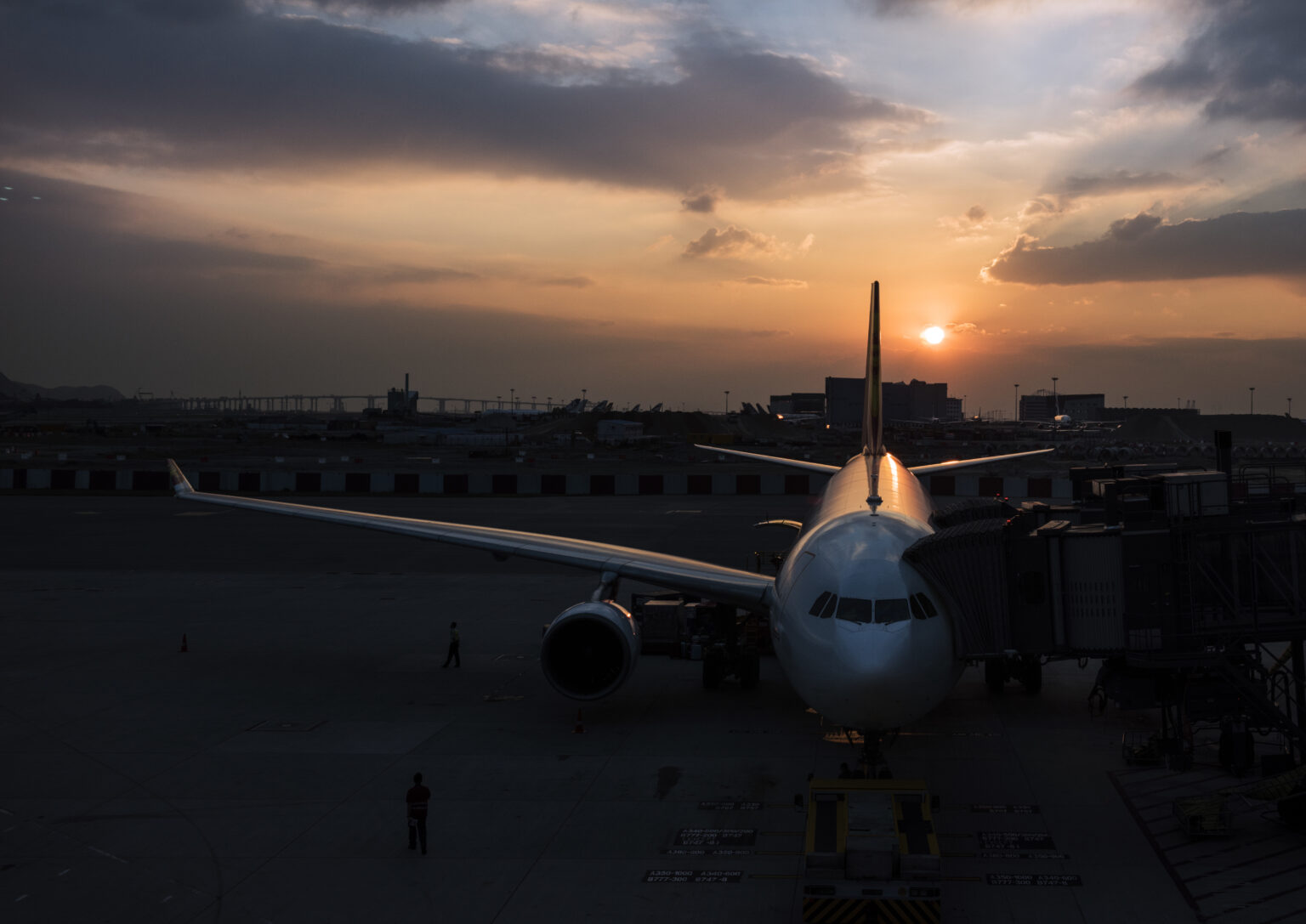
The aviation industry is constantly evolving, and airlines are investing in new aircraft that offer better fuel efficiency, greater passenger comfort, and the ability to serve more destinations. One of the most anticipated aircraft in recent years is the Airbus A321XLR. United Airlines has placed a significant order for this next-generation narrow-body jet, making it an important part of the airline’s future growth strategy.
The United A321XLR is expected to transform long-haul travel by combining the economics of a narrow-body aircraft with the range traditionally associated with larger wide-body jets. For travelers, this means more direct routes, improved cabin experiences, and potentially lower fares on international flights.
In this article, we’ll explore everything you need to know about the United A321XLR, including its features, range, cabin design, routes, and what passengers can expect when the aircraft enters service.
What Is the Airbus A321XLR?
The Airbus A321XLR (Extra Long Range) is the latest member of the Airbus A320 family. It was designed to provide airlines with significantly greater range while maintaining the efficiency of a single-aisle aircraft.
The A321XLR can fly approximately 4,700 nautical miles (8,700 kilometers), making it the longest-range narrow-body aircraft ever produced. This capability allows airlines to connect cities that were previously uneconomical to serve with larger aircraft.
Compared to older aircraft, the A321XLR offers:
- Longer flight range
- Lower fuel consumption
- Reduced operating costs
- Modern passenger amenities
- Improved environmental performance
These advantages have made the aircraft extremely popular among airlines worldwide.
Why United Airlines Ordered the A321XLR
United Airlines has invested heavily in fleet modernization through its “United Next” strategy. The airline aims to replace older aircraft with newer, more efficient models while improving the customer experience.
The A321XLR plays an important role in this plan because it allows United to operate long-distance routes with fewer seats than a traditional wide-body aircraft.
This flexibility enables the airline to:
- Launch new international routes
- Increase frequency on existing routes
- Reduce fuel costs
- Improve profitability
- Offer premium cabins on more destinations
United’s order demonstrates confidence in the aircraft’s ability to support future growth across North America, Europe, and Latin America.
Range and Performance
One of the biggest selling points of the United A321XLR is its exceptional range.
The aircraft can fly up to 11 hours depending on passenger load, weather conditions, and route requirements. This makes it capable of connecting numerous city pairs that were previously difficult to serve.
Potential route possibilities include:
- East Coast USA to Western Europe
- Midwest USA to Europe
- North America to South America
- Transcontinental routes within the United States
- Select Caribbean and international destinations
The aircraft is powered by advanced engines that provide greater fuel efficiency while reducing carbon emissions.
For airlines facing rising fuel costs and environmental pressures, the A321XLR offers a practical solution.
Passenger Cabin Experience
United plans to configure the A321XLR with a modern cabin that reflects the airline’s latest interior standards.
Passengers can expect:
United Polaris Business Class
One of the most exciting features is the inclusion of United Polaris business-class seating.
Polaris seats are known for:
- Lie-flat beds
- Direct aisle access
- Premium bedding
- Large entertainment screens
- Enhanced privacy
This means travelers on long international flights can enjoy a premium experience similar to that found on larger wide-body aircraft.
Premium Economy
United’s Premium Plus cabin is expected to provide:
- Wider seats
- Additional legroom
- Enhanced meal service
- Larger entertainment screens
- Priority boarding
Premium economy has become increasingly popular among travelers seeking extra comfort without paying business-class prices.
Economy Class
Economy passengers can also expect improvements compared with older aircraft.
Features may include:
- Larger overhead bins
- USB charging ports
- Power outlets
- Modern entertainment systems
- Improved seat-back technology
United has focused heavily on improving the passenger experience throughout all cabins.
Fuel Efficiency and Sustainability
The aviation industry faces increasing pressure to reduce emissions.
The United A321XLR helps address this challenge through:
- Lower fuel burn per seat
- Reduced carbon emissions
- Modern engine technology
- Improved aerodynamics
Compared to older aircraft, the A321XLR can significantly reduce operating costs while lowering environmental impact.
United has publicly committed to sustainability initiatives, and the introduction of more efficient aircraft supports those goals.
For environmentally conscious travelers, this represents a positive step toward greener air travel.
How the A321XLR Compares to the Boeing 757
Many aviation enthusiasts view the A321XLR as the spiritual successor to the Boeing 757.
For decades, the 757 was known for its unique combination of capacity and range. However, Boeing no longer manufactures the aircraft, creating a gap in the market.
The A321XLR fills that gap by offering:
| Feature | Airbus A321XLR | Boeing 757 |
|---|---|---|
| Range | Up to 4,700 nautical miles | Around 3,900 nautical miles |
| Fuel Efficiency | Significantly better | Older technology |
| Passenger Comfort | Modern cabin | Aging interiors |
| Operating Costs | Lower | Higher |
For airlines like United, the A321XLR provides many of the same advantages as the 757 while offering superior efficiency.
New Route Opportunities
The extended range of the A321XLR opens exciting possibilities.
Instead of relying solely on large aircraft, United can launch routes that may not have enough demand for a Boeing 787 or Boeing 777.
Potential benefits include:
More Nonstop Flights
Passengers increasingly prefer nonstop travel.
The A321XLR allows airlines to connect smaller cities directly without requiring passengers to transfer through major hubs.
Increased Frequency
Rather than operating one large aircraft daily, United may choose to operate multiple A321XLR flights, giving travelers more scheduling options.
Access to New Markets
The aircraft allows United to experiment with routes that would otherwise be too risky or expensive.
This flexibility can create entirely new travel opportunities.
Technology and Passenger Comfort
The A321XLR incorporates the latest Airbus technology.
Passengers can expect:
- Quieter cabins
- Better air quality
- LED mood lighting
- Larger windows
- Improved cabin pressure systems
These features help reduce fatigue on long flights.
Even though the aircraft is single-aisle, Airbus has worked extensively to make the cabin feel spacious and comfortable.
Many travelers may be surprised by how modern and enjoyable the experience feels compared to older narrow-body aircraft.
When Will United A321XLR Enter Service?

United Airlines is expected to begin receiving A321XLR aircraft as Airbus ramps up deliveries.
Once delivered, the aircraft will likely be introduced gradually across selected domestic and international routes.
The exact schedule may vary depending on certification timelines, aircraft production rates, and airline planning decisions.
Industry analysts expect the aircraft to become a major part of United’s fleet throughout the coming decade.
Final Thoughts
The United A321XLR represents one of the most important additions to the airline’s fleet modernization program. Combining long-range capability, fuel efficiency, premium cabin options, and operational flexibility, the aircraft is poised to reshape how United serves international and domestic markets.
For passengers, the benefits include more nonstop routes, improved comfort, modern cabins, and access to premium products such as Polaris Business Class on a wider range of destinations.
As airlines continue seeking efficient ways to connect travelers around the world, the United A321XLR stands out as a game-changing aircraft that could redefine long-haul narrow-body travel for years to come.
FAQs
The Airbus A321XLR can fly up to approximately 4,700 nautical miles (8,700 kilometers).
Yes, United plans to equip the aircraft with its premium Polaris Business Class product.
It allows United to operate longer routes more efficiently while opening new nonstop destinations and reducing operating costs.